Two cords of firewood can look identical stacked against the garage and behave nothing alike in the stove. One holds a fire overnight and leaves a bed of orange coals by morning. The other burns bright, throws heat for an hour, and leaves you reaching for the kindling again. Species is the biggest reason, and moisture is a close second. If you heat with wood — or you're about to take a load from a neighbor with a dump truck — it pays to know what you're stacking. Here's how oak, maple, ash, pine, and birch compare on heat, seasoning, coaling, and where each one earns its place in the pile.
Why Species and Moisture Change Everything
Firewood heat is usually measured in BTUs per cord, and a full cord is 128 cubic feet of stacked wood. Here's the part most people miss: pound for pound, most species release roughly the same amount of heat. What changes is density. Dense wood packs more pounds into the same cord, so it delivers more BTUs and burns longer. A cord of oak simply weighs more than a cord of pine, and that weight is the heat you're buying.
Moisture matters just as much. Green wood can be half water by weight, and every pound of that water has to boil away before the wood can burn — heat that goes up the chimney instead of into your living room. Seasoned wood, dried to roughly 15 to 20 percent moisture, outperforms any species upgrade you can make. Buy dry wood first, then worry about what kind.
Firewood BTU Comparison at a Glance
These are approximate figures for air-dried cords at around 20 percent moisture. Treat them as a ranking, not a guarantee.
- Oak (red or white): roughly 24–25 million BTU per cord. Dense, heavy, slow-burning, excellent coals. Needs 12–24 months to season.
- Sugar maple: roughly 23–24 million BTU. Hard, clean-burning, good coals, seasons in about a year. Soft maples (red, silver) run noticeably lower.
- Ash (white or green): roughly 23–24 million BTU. Straight-grained, splits easily, seasons fast, burns well even slightly damp.
- Birch (yellow or paper): roughly 20–21 million BTU. Good flame, moderate coals, bark holds moisture and rots if left uncovered.
- Pine (white or jack): roughly 14–17 million BTU. Light, resinous, lights fast, burns hot and quick with minimal coals.
For context, hickory, black locust, and osage orange sit above oak on the heat scale. If you can get them at a fair price, take them.
Oak, Maple, and Ash: The Workhorses
Oak
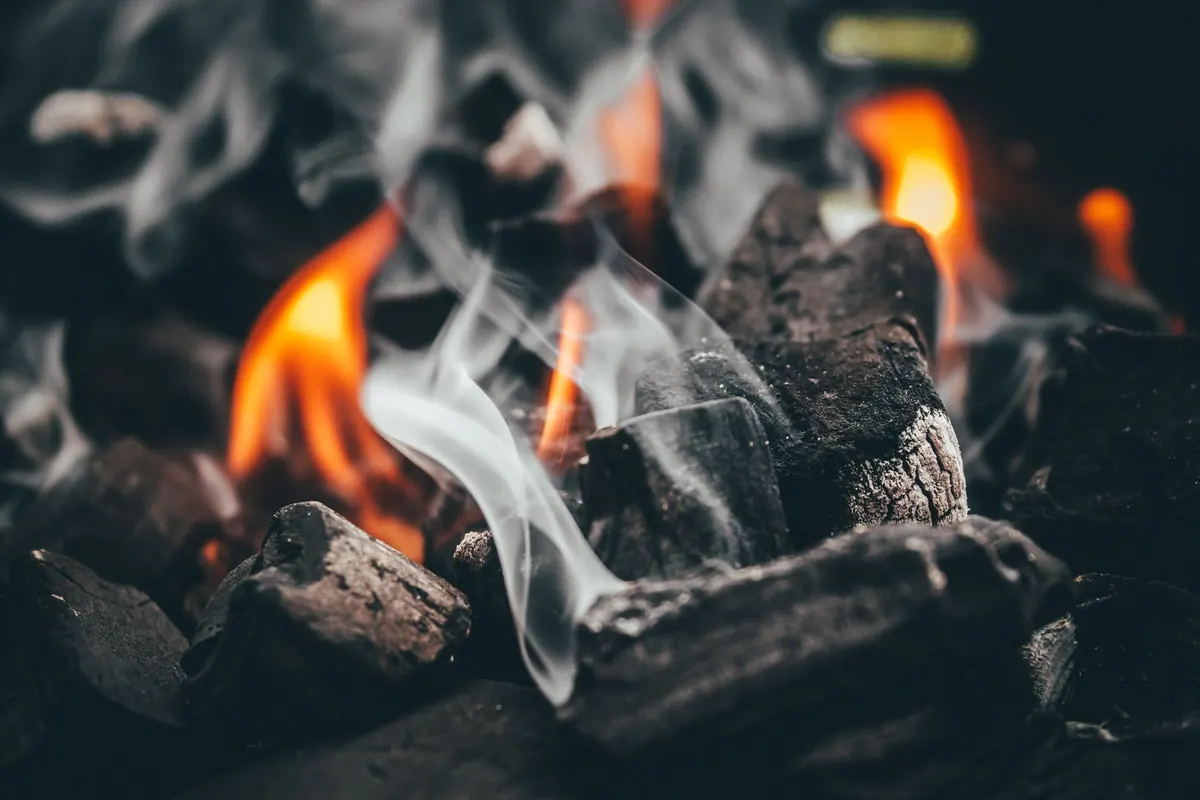
Oak is the standard against which other firewood gets judged, and it earns the reputation. White oak is denser and slightly better than red, but both burn long and steady and leave chunky coals that keep giving heat after the flames die down. That coaling quality is why oak is the right choice for overnight burns and for anyone running a wood stove through a hard winter.
The catch is patience. Oak is slow to season — plan on a full year for small splits and closer to two for big rounds. Oak that still hisses and steams is worse than pine, because you're spending heat to dry wood you already paid for. Stack it early, split it smaller than you think you need to, and let it sit.
Maple
Sugar maple is a genuine all-rounder: nearly the heat of oak, fewer coals but cleaner burning, and it seasons in about a year. It splits reasonably well, though crotches and knots can fight you. If you're building a pile and can't get oak, sugar maple is the next best thing for cold-weather burning.
Watch the label, though. "Maple" often means red or silver maple, which are much lighter woods with maybe 18–19 million BTU per cord. They're perfectly usable — good for spring and fall, quick to season — but don't pay hardwood prices for a soft maple load.
Ash
Ash is the most forgiving firewood you can buy. It has decent density, straight grain that splits like a dream, and low natural moisture, which means it can go from standing dead tree to burning wood in as little as six months. It lights readily, produces a steady flame, and leaves respectable coals.
If you're behind on your wood supply — say it's September and your stack is still green — ash is your rescue. It's also a fine everyday wood for a stove you feed several times a day. The downsides are few: it doesn't coal quite as long as oak, and in many areas dead ash is now plentiful enough that quality varies. Check it before you buy.
Birch: The Middleweight
Birch sits between the hardwoods and pine. Yellow birch is the denser of the common types and burns respectably; paper birch is lighter and burns faster. Both light easily, thanks to bark that behaves almost like paper, and both throw a cheerful flame with moderate coals.
The weak point is the bark. It sheds water poorly and traps moisture against the wood, so birch left in a heap or uncovered will rot from the outside in while the inside is still sound. Keep it under cover, off the ground, and use it within a season or two. Birch works well mixed into a load: a couple of splits to get things going, then oak to carry the night.
Pine: Low Heat, Real Value
Pine gets dismissed as "junk wood," which is unfair. It has the lowest heat value of the group, and it burns fast with almost no coals, so it's a poor choice for an all-night fire in a cold climate. But it lights faster than anything else on this list, which makes it excellent kindling, and it's ideal for the shoulder seasons when you want to take the chill off without overheating the house.
Pine doesn't cause creosote. Wet wood and smoldering, air-starved fires do.
That myth keeps a lot of cheap, useful firewood out of people's stacks. Seasoned pine burns clean. The real caution is resin — it can pop and throw sparks, so keep a screen in front of an open fireplace — and the fact that it needs annual chimney attention like any other wood.
Seasoning and Coaling: What to Expect
- Fastest to season: ash, pine, soft maple (6–12 months).
- Middle of the pack: birch, sugar maple (about 12 months).
- Slowest: oak (12–24 months, longer for large rounds).
- Best coals for overnight burns: oak, then sugar maple.
- Quickest, hottest flame: pine, then birch.
- Easiest to split: ash, straight-grained pine, birch.
Matching Wood to the Job
You don't have to choose one species. The best woodpiles are blends. Keep pine or birch near the door for kindling and mild evenings. Use ash and maple as your daily drivers. Save the oak for January nights and for banking the stove before bed.
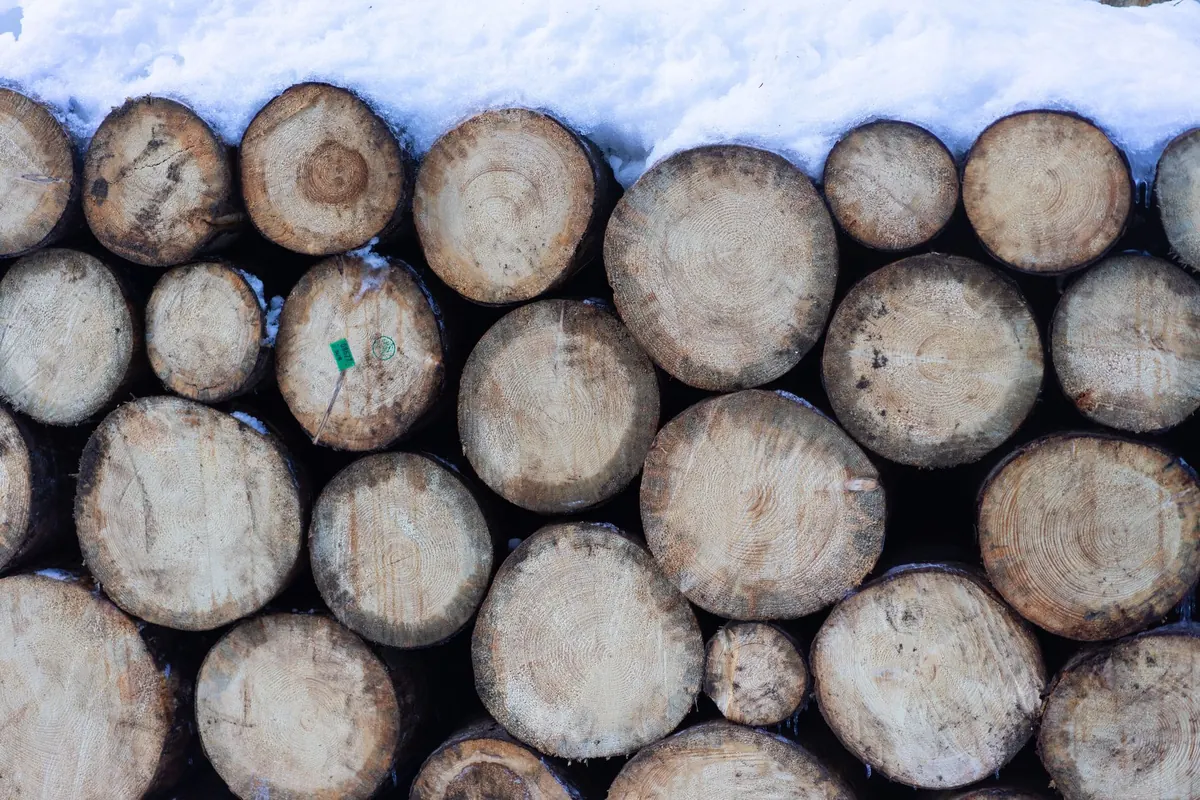
Whatever you buy, split it, stack it off the ground on rails or pallets, and leave the sides open to the wind. Top-cover it before the fall rains start, but don't wrap the whole stack in a tarp — you'll trap moisture instead of keeping it out. If you're buying, ask when it was split, not when it was cut, and check a freshly split face with an inexpensive moisture meter. Under 20 percent is what you want. And have your chimney inspected and cleaned by a qualified sweep once a year, no matter what you burn.
Get those basics right and the species question becomes what it should be: a matter of matching the wood to the weather, not a gamble on whether the stove will still be warm at 3 a.m.
Photo: Atlantic Ambience / Pexels